St. George & Washington, UT

Limestone Cleaning and Polishing in St. George, UT

Gentle care for entryway tile, bathroom floors, and fireplace hearths.

Limestone Cleaning and Polishing takes a softer touch than marble or travertine work. Limestone is a calcium-based stone that scratches faster under foot traffic and reacts to anything acidic, including vinegar, lemon, and some natural cleaners. We clean it with pH-neutral solution, then hone, polish, and seal as separate steps so the surface looks even and stays protected.

4.7 / 86 Google Reviews
Best of Southern Utah winner for 5 years in a row
5 Years in a Row Best of Southern Utah 2021-2025
IICRC Certified

Trusted by the Local Businesses You Know

How It Works

01

Inspect the Stone

We confirm the floor is limestone, check the current finish, and note traffic wear, dull spots, scratches, and etching from acidic spills. Limestone is softer than marble, so we plan a gentler grit sequence from the start.

02

pH-Neutral Cleaning

We clean the surface with a pH-neutral stone solution to lift dirt and old residue without etching the calcium. Acidic cleaners pull the shine off limestone fast, which is the main reason we never use them on this stone.

03

Honing and Polishing

Honing flattens scratches and traffic wear with fine diamond pads, and polishing brings the finish back with progressively finer grits. We adjust the sequence for limestone because it cuts faster than marble and shows over-polishing if you push it too hard.

04

Seal the Surface

We finish with a penetrating sealer that absorbs into the stone instead of sitting on top. The sealer slows down etching from spills and keeps water and grime from soaking into the pores.

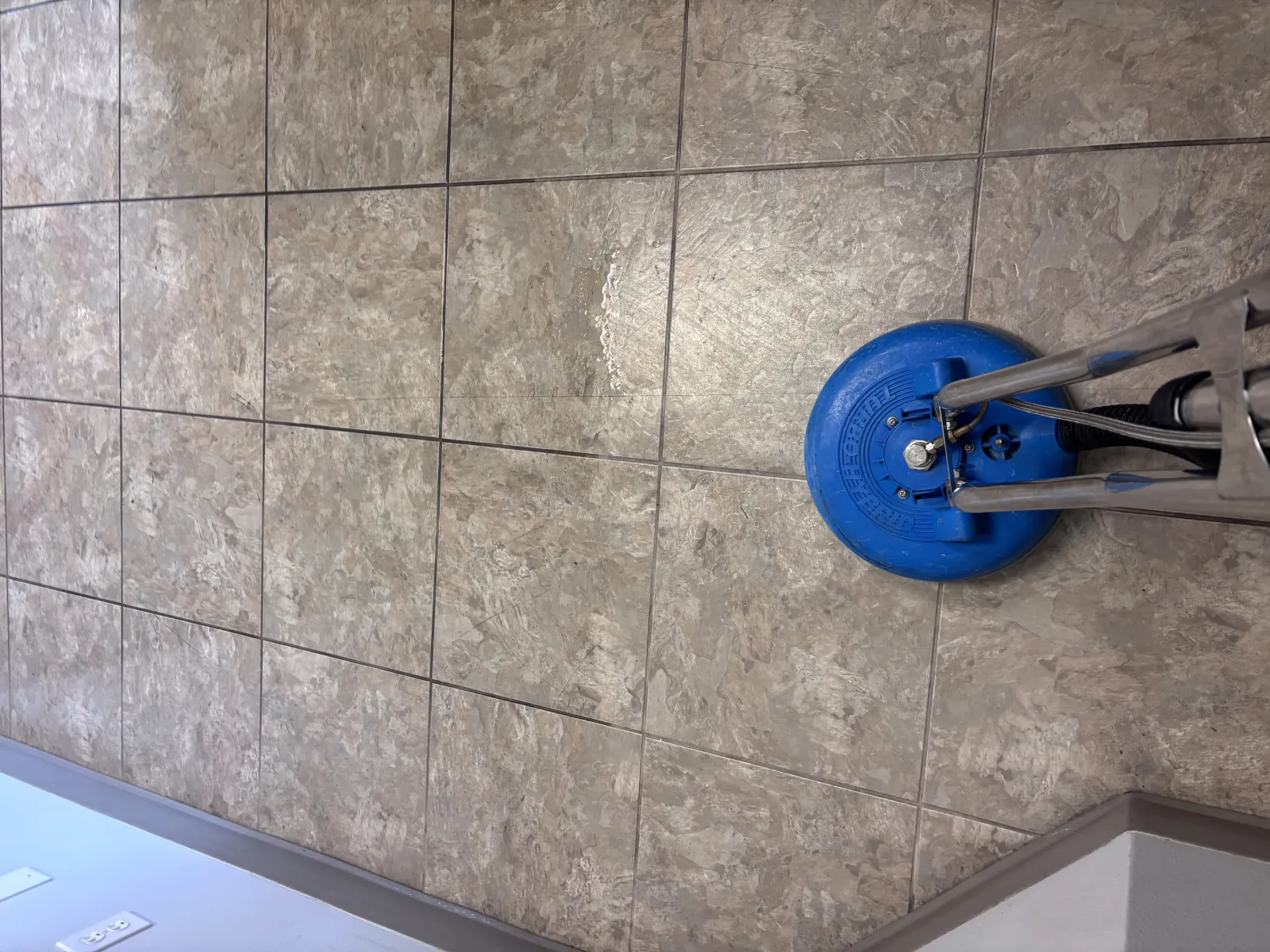
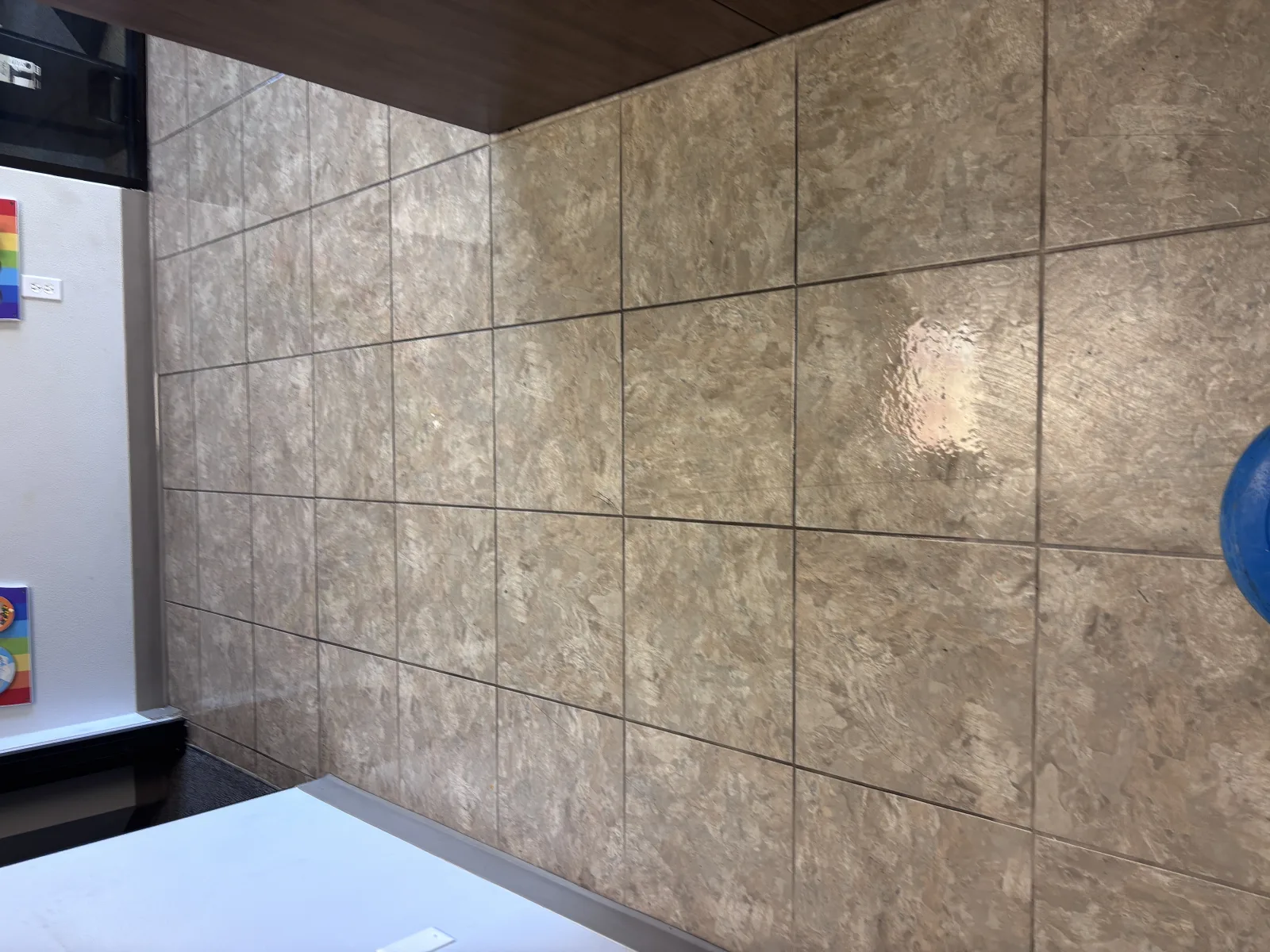
Limestone honing and polishing in St. George

What to Expect From Limestone Restoration

Sealant Cure Time

Stay off the floor for about 24 hours after sealing for normal foot traffic. Full cure takes around 48 hours, and we will walk you through what to avoid during that window.

Prep Before We Arrive

Clear the area of small furniture and rugs if you can. The polishing equipment is heavy, and an open floor lets us get edges and corners cleaner.

Noise and Water During Honing

Honing pads run wet to keep dust down, so plan for some water on the floor and machine noise during the work. We protect baseboards and adjacent surfaces before we start.

How Long It Takes

A bathroom floor or entryway usually takes 2 to 4 hours. Larger living areas or floors that need heavier honing take longer, and we give you a time estimate after the inspection.

Why Limestone in St. George Needs Gentle Care

Limestone shows up in a lot of St. George homes as entryway tile, bathroom floors, accent walls, and fireplace hearths. It is softer than marble or travertine, so foot traffic dulls the high-use areas first while the edges of the room still look fine. That uneven wear is usually the first reason people call us.

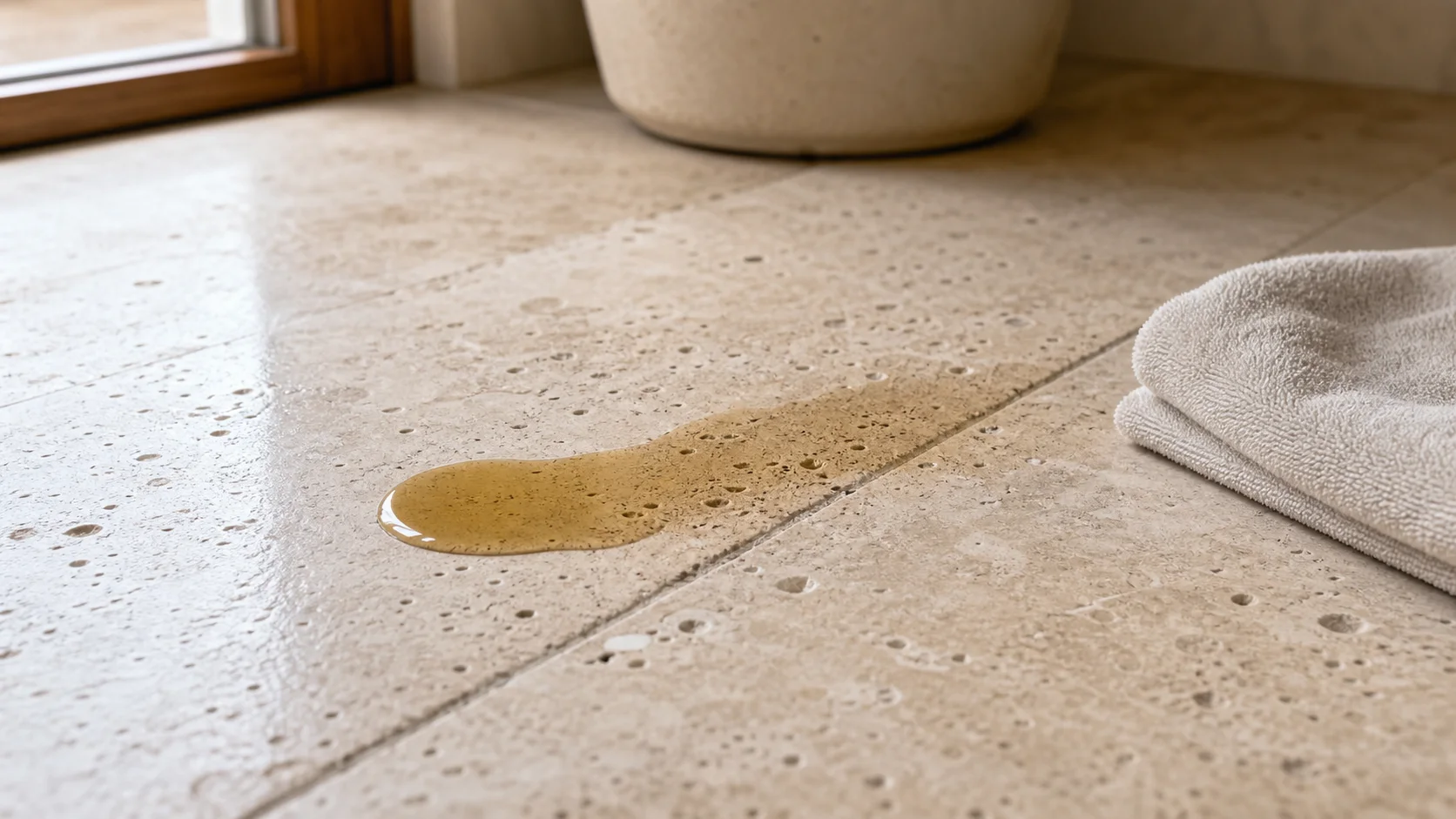
Hard water and acidic cleaners are the other big issue. Vinegar, lemon, and some natural sprays react with the calcium and leave dull etch marks that cleaning alone will not fix. We hone those out and refinish the surface so the floor looks consistent again.

Our IICRC-certified crew handles limestone the way the stone needs. Lighter abrasives, slower passes, pH-neutral cleaner, and a penetrating sealer at the end. We aim for a soft, even finish across the whole room because limestone was never built to hold a glassy polish like marble.
Limestone Cleaning and Polishing FAQ

Is limestone really softer than marble?

Yes. Limestone scratches and dulls faster under foot traffic, which is why entryway tile and bathroom floors show wear sooner than marble in the same spot. We use lighter abrasives and slower passes to match how the stone behaves.

Why are acidic cleaners a problem on limestone?

Vinegar, lemon, and some natural cleaners react with the calcium in limestone and leave dull etch marks. The damage looks like a stain but it is actually surface etching, which is why honing is the only way to remove it.

Can you fix etch marks on a limestone floor?

In most cases, yes. We hone a thin layer off the surface to get below the etching, then polish to bring the finish back. Deep etches take more passes, but the result is usually very good.

How often should limestone be polished and sealed?

A full polish every 2 to 3 years is reasonable for most homes, sooner in high-traffic entryways. Re-seal every 12 to 18 months and clean with a pH-neutral stone cleaner in between to protect the finish.

Do you work on limestone fireplace hearths and accent walls?

Yes. Hearths and accent walls have different wear patterns than floors, but the same rules apply for cleaning, honing, polishing, and sealing. We adjust the process for the surface in front of us.

Tell us where the limestone is and how it looks now, and we will give you a clear quote before we schedule the work.

Serving St. George, Washington, Washington Fields, Santa Clara, Ivins, and Hurricane, UT

Same-day appointments often available. No pressure, no upsells.