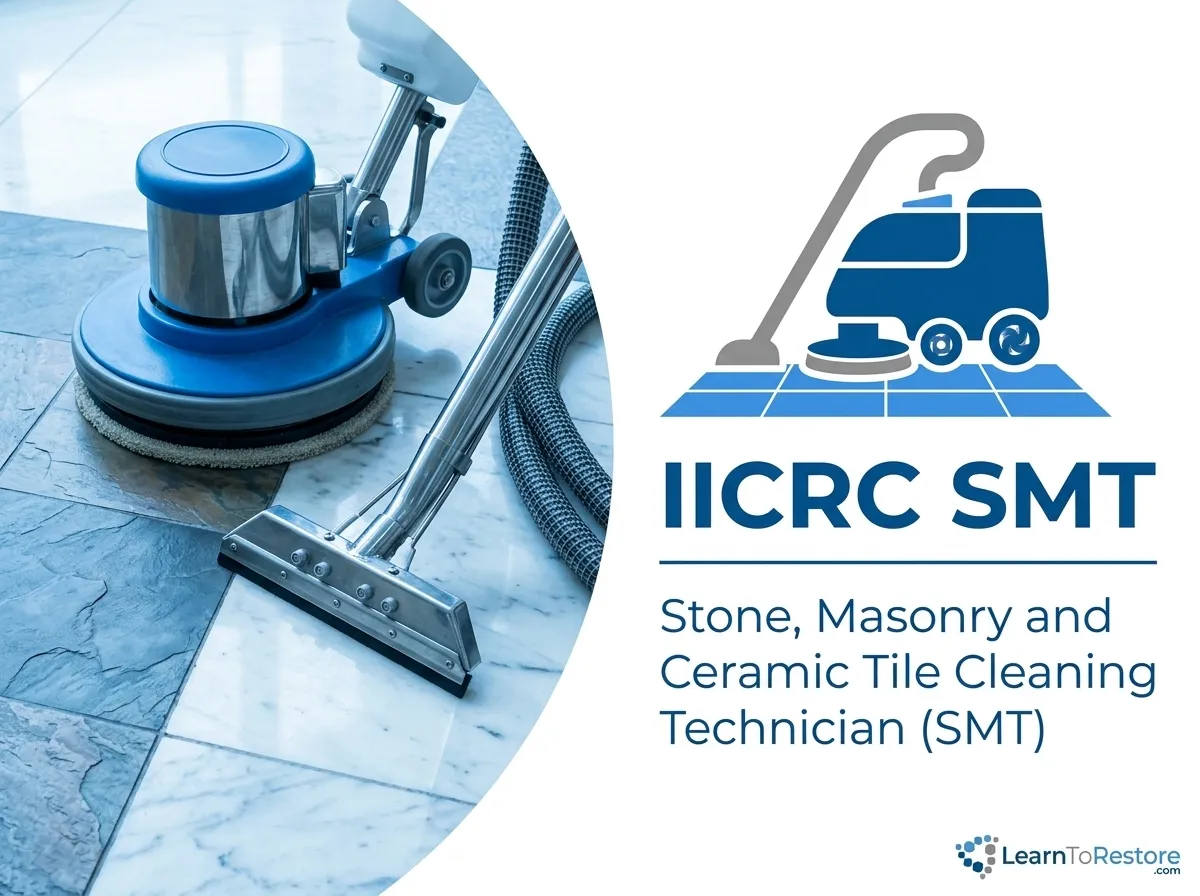
Natural Stone Polishing in St. George, Utah
IICRC certified technicians who understand natural stone, Southern Utah conditions, and what it actually takes to restore your floors.
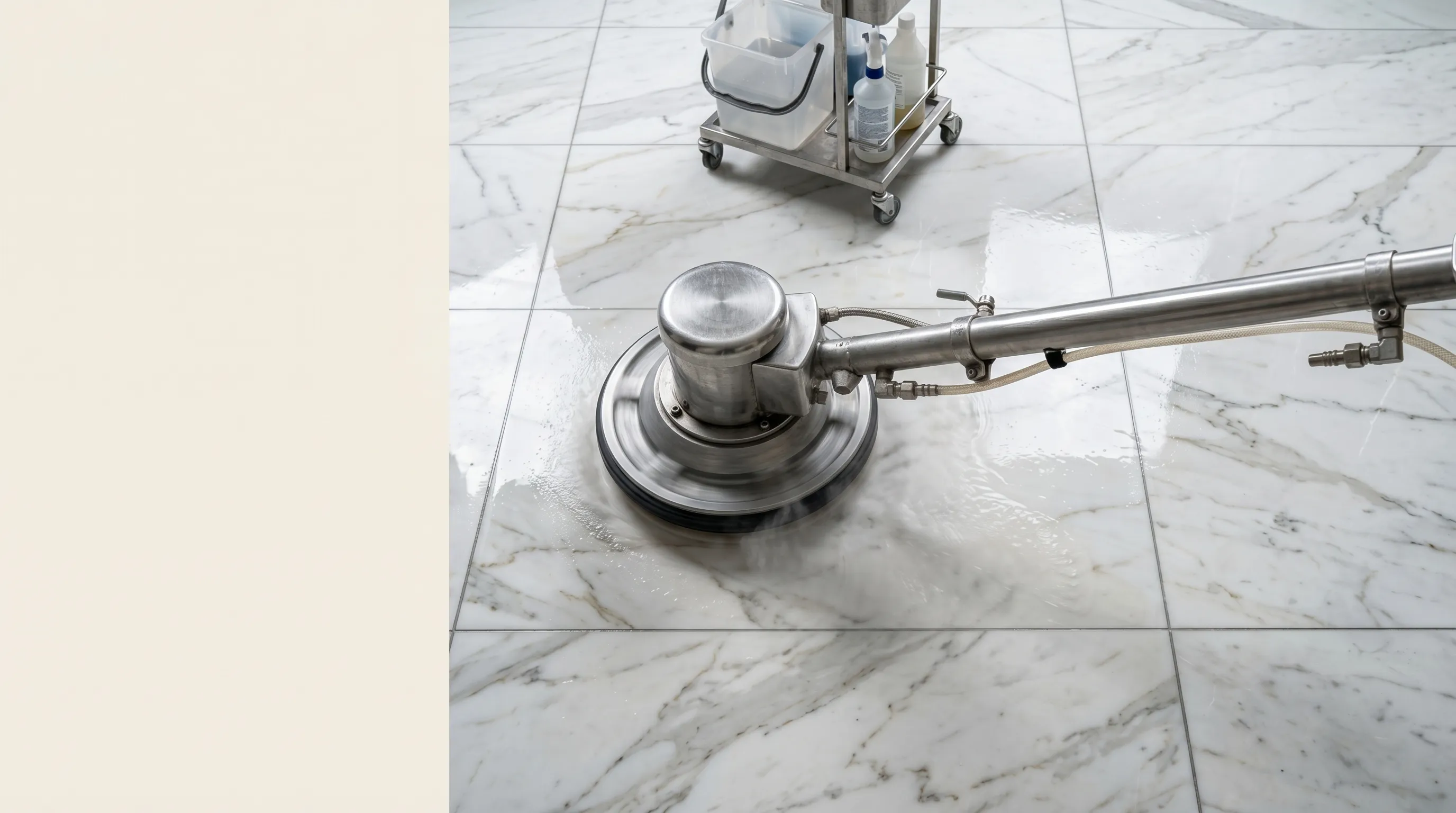
Natural stone floors like travertine and marble require a different level of care than tile or carpet. Over time they lose their luster from foot traffic, abrasion, and etching caused by hard water and household cleaners. We assess the stone type, use the correct abrasive sequence for honing and polishing, and finish with a professional sealant so your floors stay protected.
Trusted by the Local Businesses You Know
How It Works
Stone Assessment
We identify the stone type, current finish (honed or polished), and evaluate the level of etching, scratching, and buildup. Different stones require different abrasive grits and polishing compounds, and we will not start work until we know exactly what we are dealing with.
Honing
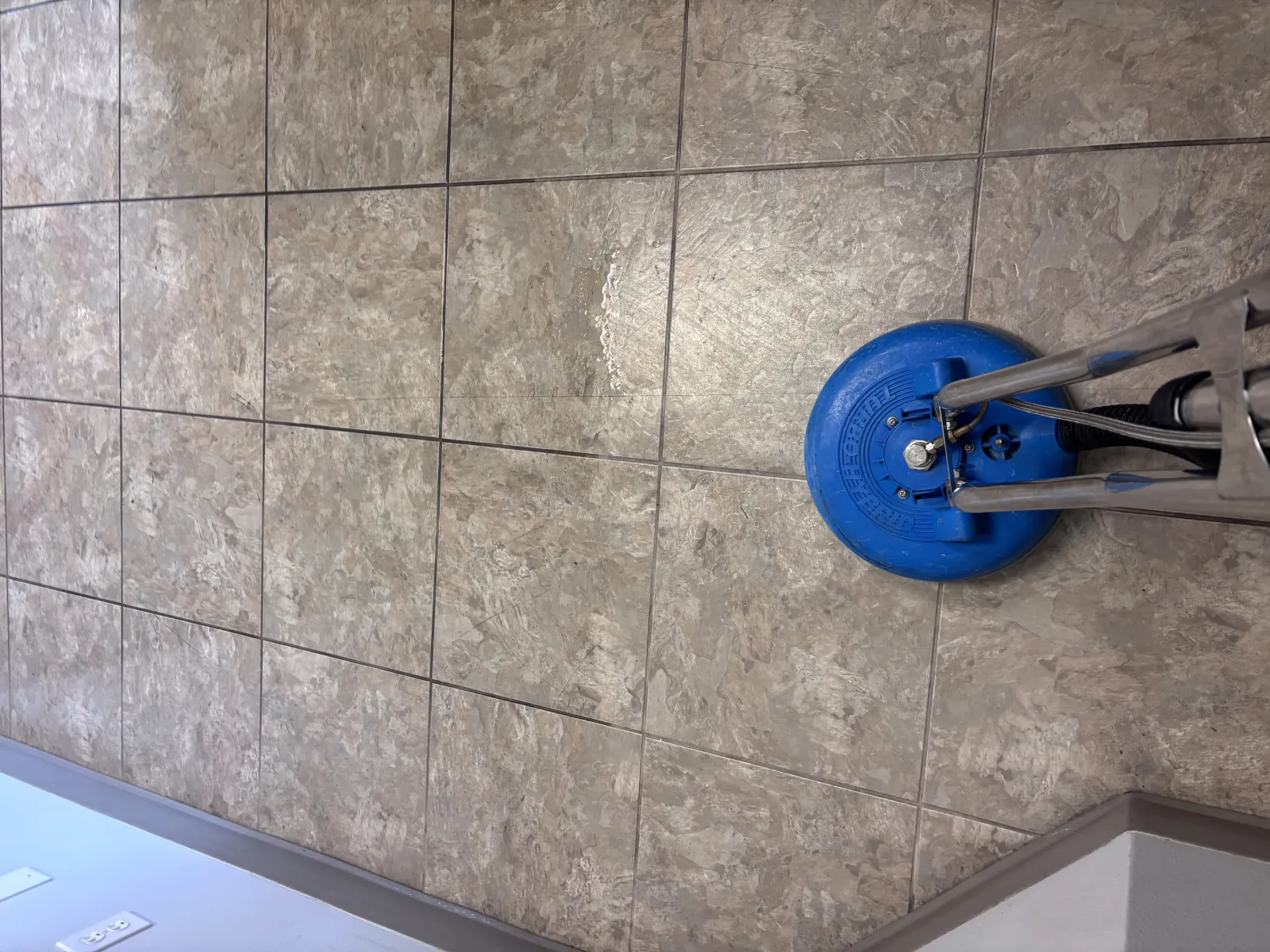
For floors with visible scratches, etching, or a dull, uneven surface, we begin with honing. This uses a sequence of diamond abrasive pads to flatten and refine the surface, removing damage and preparing the stone for the polishing stage.
Polishing
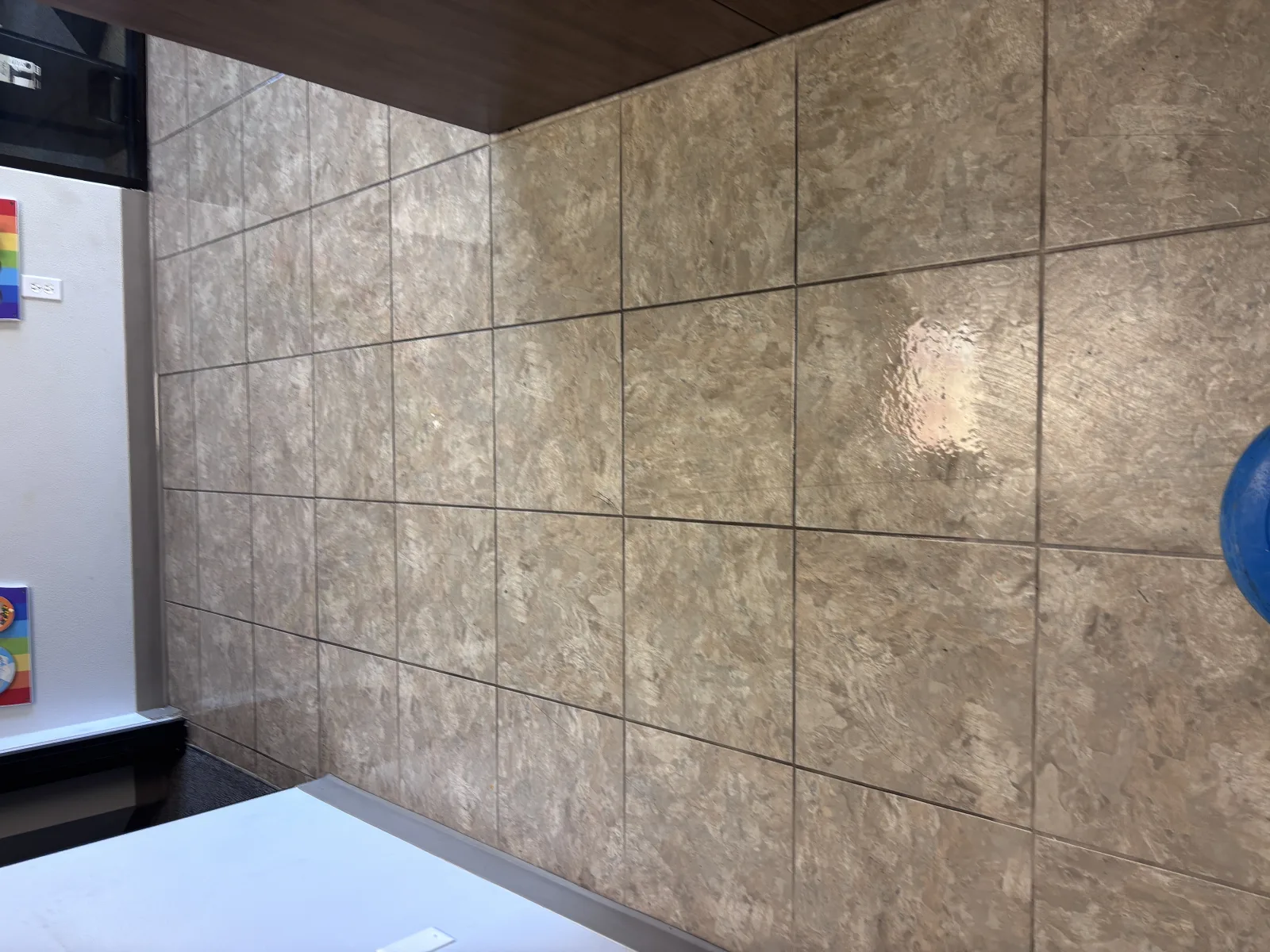
Polishing brings out the reflective clarity of the stone using progressively finer grits and polishing powder matched to the stone type. Travertine, marble, and limestone each respond differently, and we adjust our process accordingly to achieve a consistent finish across the entire floor.
Sealing
Once the surface is clean and refined, we apply a penetrating stone sealer that protects against future staining and etching. The sealer absorbs into the stone rather than sitting on top, so it does not change the appearance while adding real protection against the things that dull stone over time.
"Scheduling and communication was great. The work performed was perfect."
"We had an emergency and needed a quick response and 3:16 Carpet Cleaning was there to do the job!! They were amazing to work with and I couldn't be happier with the result. I would highly recommend them!!"
"It was very easy to make an appointment and they were here on time. They did a great job and we would highly recommend this company."
What to Expect
Sealant Cure Time
After sealing, the floor needs at least 24 hours before normal foot traffic resumes. Full cure for the penetrating sealer takes about 48 hours. We will walk you through what to avoid during that window before we leave.
Prep Before We Arrive
Clear the floor of furniture and area rugs if possible. Stone polishing equipment is heavier than carpet cleaning equipment, so the more open the workspace, the faster and cleaner the job goes.
Noise and Dust During Honing
Honing with diamond pads produces some noise and fine stone dust. We use wet grinding methods to keep dust contained and protect adjacent surfaces. Plan for the area to be unavailable during the work.
How Long the Job Takes
A typical entryway or kitchen floor takes 2 to 4 hours depending on the condition of the stone and the size of the area. Floors that need significant honing before polishing take longer. We give you a time estimate after the initial assessment.
Why Stone Floor Care Matters in Southern Utah
Travertine is one of the most popular flooring materials in St. George and Washington County homes, and for good reason. It holds up well in warm climates and looks sharp in the open-concept layouts common to newer construction here. But the same desert conditions that make those homes beautiful are hard on natural stone. Fine silica dust from the surrounding landscape settles into pores and grout lines, acting as an abrasive underfoot. Over time, high-traffic areas lose their finish faster than the rest of the floor and the difference becomes impossible to ignore.
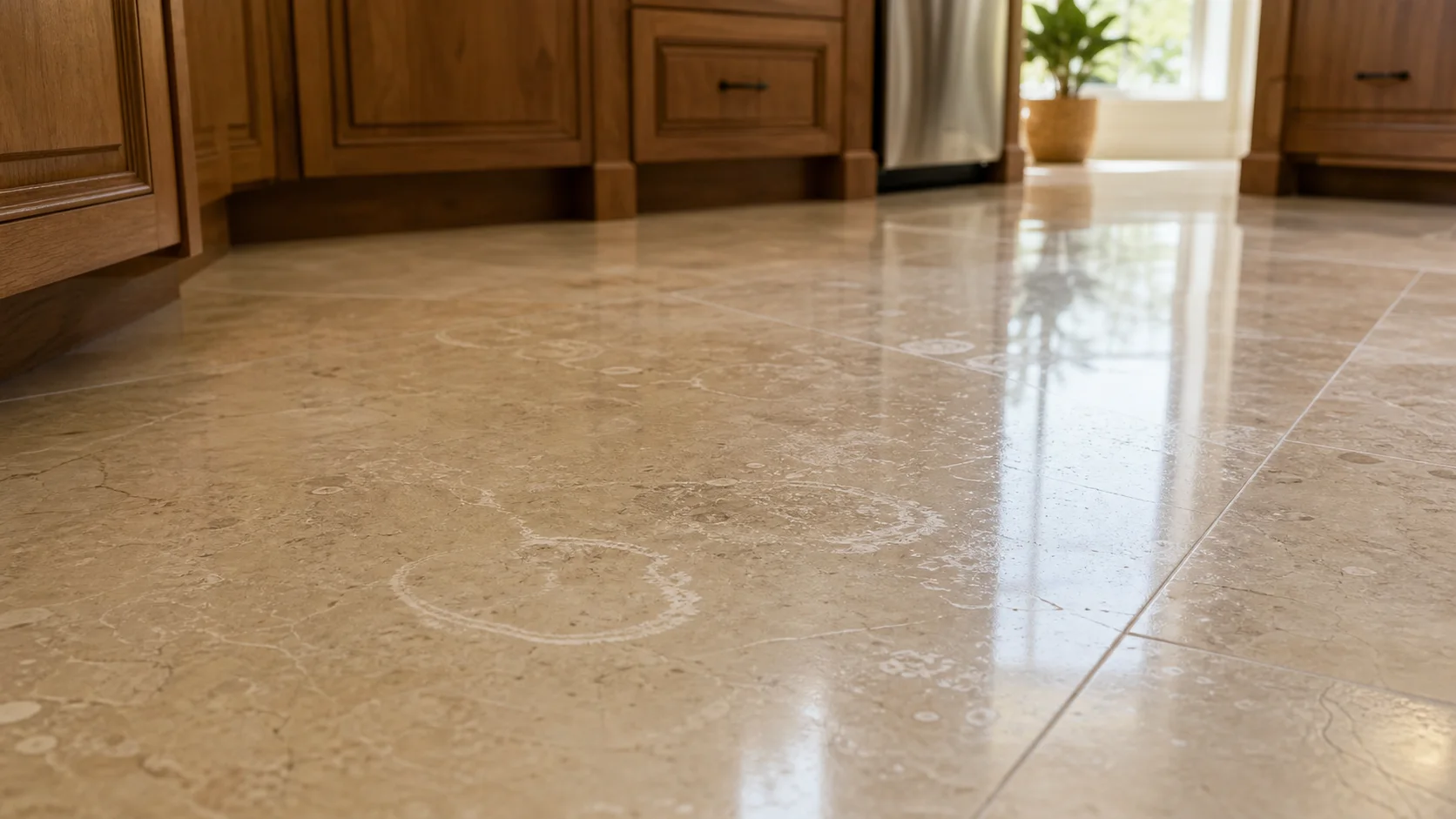
Southern Utah also has some of the hardest water in the country. Calcium and mineral deposits etch into marble and travertine at the surface level, creating dull spots that look like stains but are actually physical damage to the stone. Basic cleaning will not touch them. This is where professional honing and polishing makes the difference. Our IICRC certified technicians understand the chemistry and mechanics behind stone restoration, which means we address the actual cause rather than working around it.
DIY polishing kits exist, but they are designed for maintenance on floors that are already in good condition. Once a floor has scratching, etching, or inconsistent sheen, the work requires proper diamond tooling, an understanding of stone hardness, and the right polishing compounds. Getting it wrong can permanently change the appearance of the stone or create uneven results that are difficult to correct. We have seen the aftermath of DIY attempts and it is almost always more expensive to fix than if we had been called first.
Natural Stone Polishing FAQ
What types of stone do you work with?
We work with travertine, marble, and limestone, which are the most common natural stone floors in St. George area homes. These are all calcium-based stones that respond well to diamond honing and polishing. If you have a different stone type, call us and we can tell you whether it falls within what we service.
How often should natural stone floors be polished?
For most homes, a full polish every 2 to 3 years is reasonable. High-traffic areas like entryways and kitchens may need attention sooner. In between, proper cleaning with a pH-neutral stone cleaner and re-sealing every 12 to 18 months will protect the finish and extend the time between full polish jobs.
Can you remove etch marks from marble?
Yes, in most cases. Etch marks are surface-level damage caused by acidic substances reacting with the calcium in marble. They look like dull spots or light rings and are not removable by cleaning alone. Honing addresses them by removing a very thin layer of the surface to get below the damage, then polishing restores the sheen. Deep etching may require additional honing passes, but the results are typically very good.
What is the difference between honing and polishing?
Honing is an abrasive process that levels and smooths the surface of the stone, removing scratches, etching, and imperfections. It produces a matte or satin finish on its own. Polishing follows honing and uses finer abrasives and polishing compounds to bring out the reflective clarity of the stone. Some floors only need polishing if the surface is in good condition but has simply lost its shine. Others need honing first before polishing will produce an even result.
Your stone floors were built to last. Let us restore them.
Serving St. George, Washington, Washington Fields, Santa Clara, Ivins, and Hurricane, UT
Same-day appointments often available. No pressure, no upsells.