St. George & Washington, UT

Marble Cleaning and Polishing in St. George, UT

Honest marble work from a 5-year Best of Southern Utah winner.

Marble Cleaning and Polishing in St. George covers three different jobs that often get mixed up: cleaning soil off the surface, honing out etch damage, and polishing for shine. Marble is a calcium-based stone, so acids like lemon juice, wine, and vinegar-based cleaners burn dull marks into it. Knowing which step a floor or counter actually needs is the part most homeowners and even some pros get wrong.

4.7 / 86 Google Reviews
Best of Southern Utah winner for 5 years in a row
5 Years in a Row Best of Southern Utah 2021-2025
IICRC Certified

Trusted by the Local Businesses You Know

How It Works

01

Look at the Marble First

We check whether the dull spots are soil sitting on top or etching cut into the stone. Soil wipes off with the right pH-neutral cleaner. Etching does not, and that changes the whole job.

02

Clean With Stone-Safe Solution

We use a pH-neutral stone cleaner that lifts soil, soap film, and hard water residue without harming the surface. Acidic bathroom cleaners and vinegar leave more etching than they remove. This step alone is enough for marble that has been maintained well.

03

Hone Out the Etching

Etch marks are physical damage, so they need diamond honing pads, not floor pads from a hardware store. We work through grits to remove a thin layer of the surface and take the etching with it. The marble comes out flat and even before any polishing happens.

04

Polish and Seal

We bring the shine back with finer diamond pads and a marble polishing powder matched to the stone. After the surface looks right, a penetrating sealer soaks in to slow future staining. Sealing helps with stains but does not stop acid etching, and we will say so out loud.

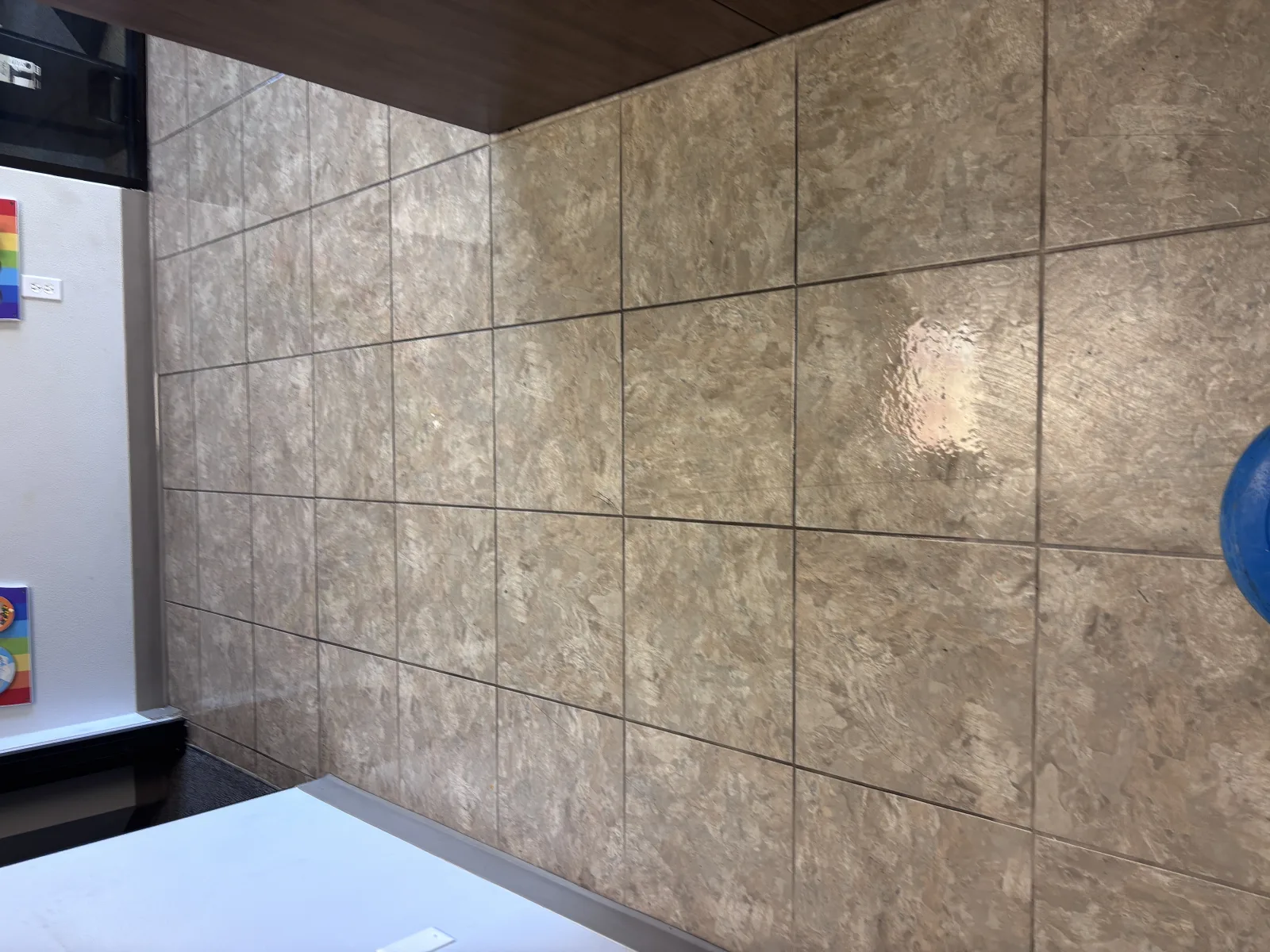
Marble floor restored after honing and polishing in St. George

What to Expect From Marble Work

Cleaning vs Honing vs Polishing

Cleaning lifts soil. Honing removes a thin layer of stone to take out etching and scratches. Polishing brings back the shine. Most jobs use two of the three, and we say which ones up front.

Realistic Results

Light etching comes out cleanly. Deep scratches and chips may improve a lot without disappearing. We show you a test spot before doing the whole surface so the result is not a surprise.

Sealing Limits

A good penetrating sealer slows staining from oils, wine, and coffee. It does not protect against acid etching from lemon, vinegar, or harsh cleaners. Anything acidic still needs to be wiped off fast.

Time on Site

A vanity or small counter is usually 1 to 2 hours. An entryway floor runs 3 to 5 hours depending on size and condition. Sealer needs about 24 hours before normal use.

What St. George Does to Marble

Marble shows up a lot in St. George homes on entryway floors, bathroom vanities, kitchen counters, and shower walls. Hard water leaves white rings around faucets and dull patches on shower thresholds, and bathroom cleaners speed up the damage if they are acidic. Most of what looks like a stain on a vanity is actually an etch mark from toothpaste, makeup, or a spilled drink.

Counter etching is the call we get most often. Lemon water, wine, coffee, and vinegar dressings cut into the polish and leave a dull spot that no amount of scrubbing fixes. Honing with the right diamond grit takes the etch out, and a fresh polish brings the shine back to match the rest of the slab.

We have been voted Best of Southern Utah for five years in a row, and we will tell you when marble work is worth it and when it is not. A counter with light etching is a quick job. A floor with deep scratching and old wax buildup takes longer and we will quote it that way.
Marble Cleaning and Polishing FAQ

What is the difference between marble cleaning, honing, and polishing?

Cleaning removes soil and residue with a pH-neutral product. Honing uses diamond pads to grind away a very thin layer of marble, which takes out etching and scratches. Polishing follows with finer pads and polishing powder to restore the shine. Many marble jobs need a mix of these steps.

Can you remove etch marks from a marble counter or vanity?

Yes, in most cases. Etch marks are physical damage from acid reacting with the calcium in marble, so cleaners cannot fix them. We hone the surface to remove the damaged layer, then polish back to a matching finish. Light etching comes out fast and deep etching takes more passes.

Will sealing my marble stop etching?

No, and any company that says yes is being loose with the truth. Penetrating sealer slows staining from oils, wine, and coffee, but acidic spills still etch the surface. The fix for etching is honing, not sealing.

Why is there a dull ring around my marble shower or faucet?

St. George has very hard water, and the minerals plus soap film leave a haze on marble. Some of that wipes off with stone-safe cleaner, and the rest is light etching from acidic bathroom products. Polishing brings the spot back to match the surrounding stone.

Can I polish marble with a buffer from the hardware store?

Generic floor pads are not made for natural stone and will not flatten etching or scratches. Marble needs diamond abrasives in a specific grit sequence, plus a polishing powder matched to the stone. Without those, the shine never comes back evenly.

How often does marble need professional polishing?

Counters and vanities typically need attention every 2 to 3 years, sooner if they see wine, citrus, or harsh cleaners. Entryway and bathroom floors usually go 3 to 5 years between full polishes. Regular cleaning with a pH-neutral product stretches the time between visits.

Send us a few photos and we will tell you whether your marble needs cleaning, honing, or a full polish.

Serving St. George, Washington, Washington Fields, Santa Clara, Ivins, and Hurricane, UT

Same-day appointments often available. No pressure, no upsells.