Stone Sealing in St. George, UT
Penetrating sealer that buys you time when spills hit travertine, marble, or limestone.
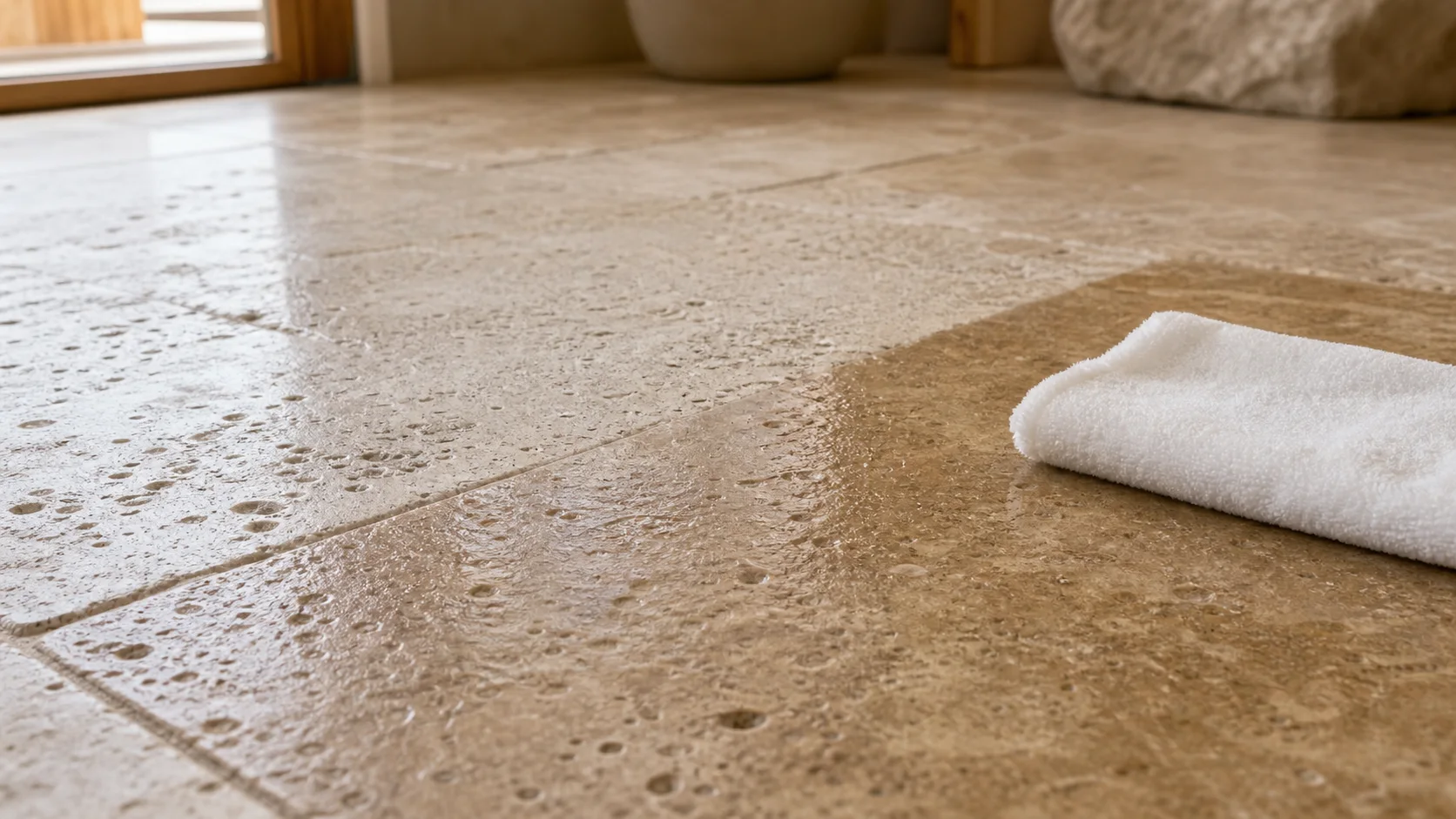
Stone Sealing is the step that protects natural stone floors from the things that ruin them around here: hard water, red dust, and the dry climate that pulls moisture out fast. We use a penetrating sealer that absorbs into the stone instead of sitting on top, so the floor still looks like stone and not plastic. Sealing is honest protection, not magic. It gives spills more time to be wiped up before they soak in.
Trusted by the Local Businesses You Know
How It Works
Stone Check
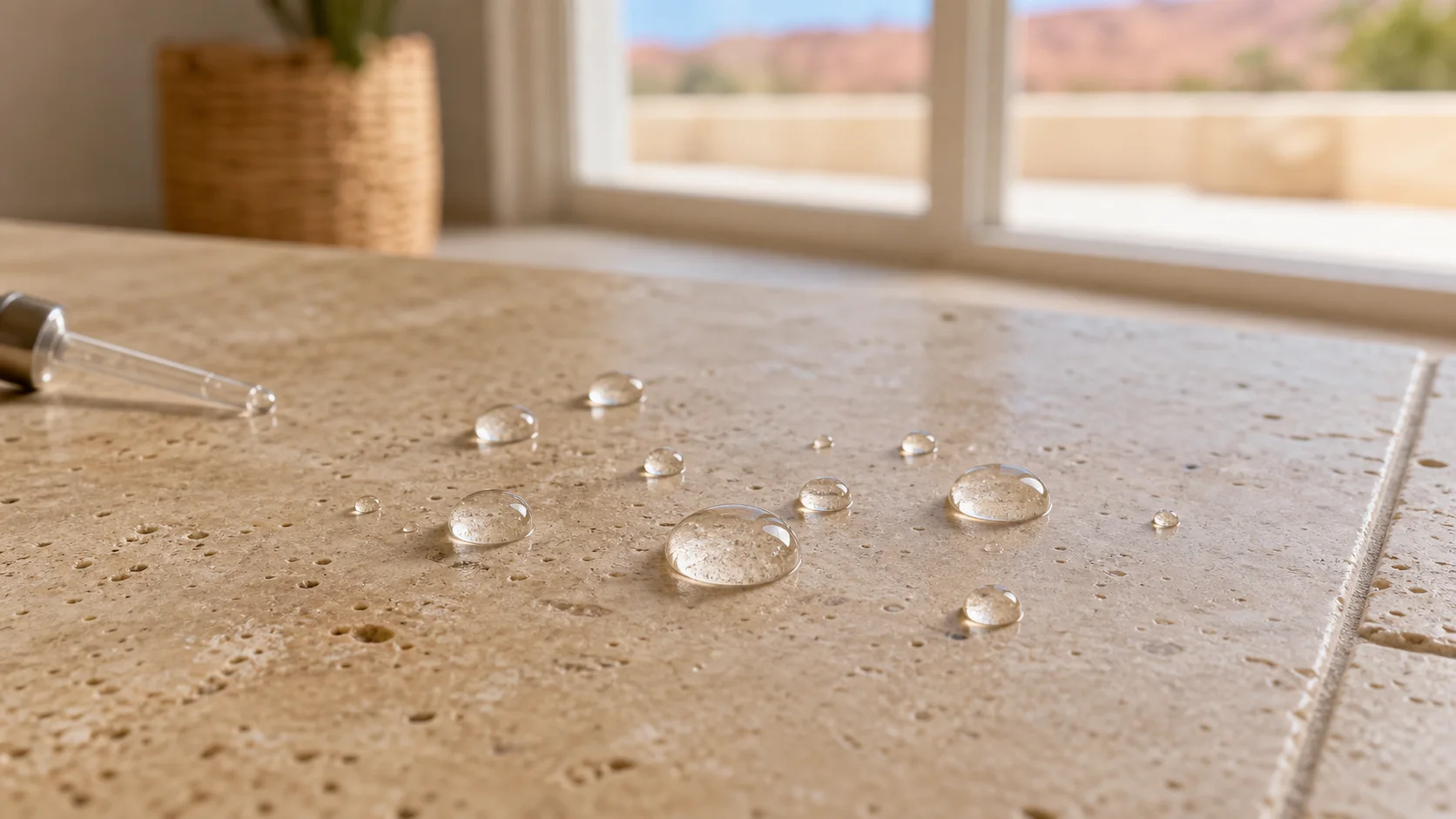
We identify the stone type, look at the current finish, and test how much water the stone is absorbing. A floor that drinks water fast needs sealer more than a floor that beads. The test tells us how many coats the stone actually needs.
Clean and Dry
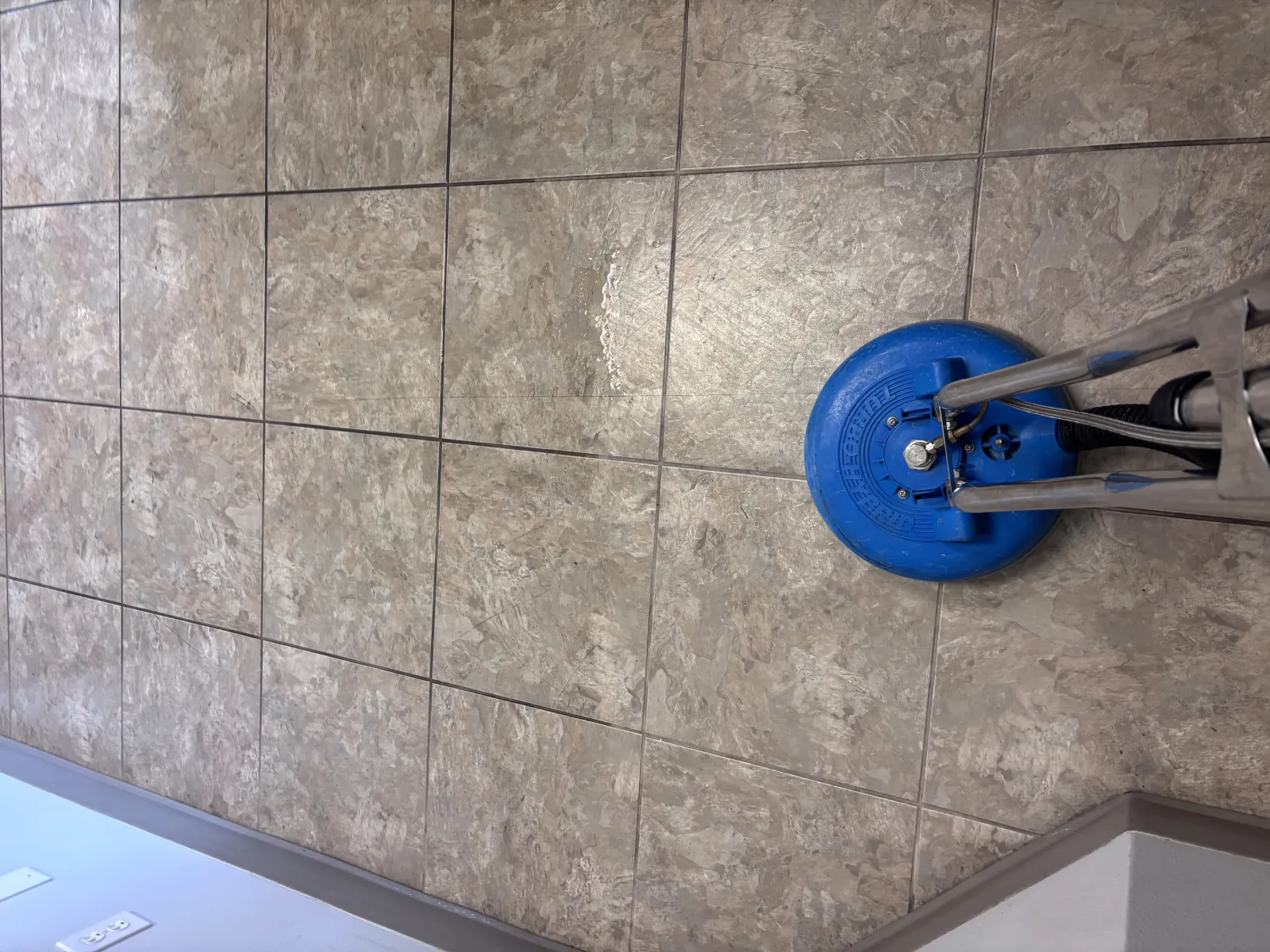
Sealer only bonds to clean, dry stone. We clean the floor with a pH-neutral stone cleaner and let it dry fully before any product goes down. Skipping this step traps dirt and hard water spots under the sealer.
Apply Penetrating Sealer
We apply the sealer in even passes and let it soak into the pores of the stone. After the dwell time, we buff off any product that did not absorb. A second coat goes on if the first one disappears too fast, which is common with travertine.
Cure Time and Walk-Through
Light foot traffic is fine after 24 hours. Heavy traffic, rugs, and furniture should wait 48 hours so the sealer fully cures. We walk the floor with you, point out the cure window, and leave you with care instructions.
What to Expect From Stone Sealing
Cure Time
Light foot traffic is okay after 24 hours. Wait 48 hours before putting rugs back, moving heavy furniture, or letting the floor get wet from mopping or steam.
Look of the Floor
A penetrating sealer absorbs into the stone, so the floor will not look glossy or coated afterward. The shine you see comes from the polish step, not the sealer.
What Sealing Does Not Do
Sealing is not stain-proof. It slows absorption so spills can be wiped up before they soak in. Acidic spills like wine, juice, and cleaners still need to come up fast.
Reseal Schedule
Most floors need a reseal every 12 to 24 months. Drop a few drops of water on the stone every six months. If the water soaks in instead of beading, it is time.
Why St. George Stone Needs Sealing More Often
Stone Sealing matters more in St. George than in most other places. Hard water is some of the worst in the country, and the calcium in it leaves deposits that etch travertine and marble over time. Red dust and silica work into open pores like fine sandpaper.
The dry climate is the other half of the problem. Stone loses moisture fast in this heat, and an unsealed floor pulls in any spill that hits it within seconds. A sealed floor still stains if a spill sits long enough, but you have minutes instead of seconds to clean it up.
Most stone floors in town need a fresh seal every 12 to 24 months depending on use. Kitchens and entryways wear faster than bathrooms or formal dining rooms. Our IICRC-certified crew tests the floor first and tells you the truth about how often yours needs it.
Stone Sealing FAQ
Does stone sealing make my floor stain-proof?
No. Sealer slows down how fast a spill soaks into the stone, which gives you time to clean it up. If a spill sits for hours, even a sealed floor can stain. Wine, coffee, and acidic cleaners are the worst offenders.
How often should I reseal my stone floor?
Most St. George homes need a reseal every 12 to 24 months. High-traffic kitchens and entryways are on the shorter end. A simple water test will tell you. Drop a few drops on the stone, and if it soaks in instead of beading, it is time.
What is the difference between penetrating and topical sealers?
Penetrating sealer absorbs into the pores of the stone and protects from the inside. Topical sealer sits on top of the stone and looks like a coating. We use penetrating sealer because it lasts longer, looks natural, and does not peel.
How long until I can walk on the floor?
Light foot traffic is fine after 24 hours. Heavy traffic, rugs, and furniture should wait 48 hours so the sealer fully cures. Avoid mopping or any water on the floor during that window.
Can sealing fix etching or stains that are already there?
No. Sealing protects clean, undamaged stone. If the floor already has etch marks, hard water spots, or stains, those need honing or polishing first. Sealer locks in whatever is on the surface, so we always clean and check the floor before applying it.
Tell us about the floor and we will give you a clear quote before scheduling.
Serving St. George, Washington, Washington Fields, Santa Clara, Ivins, and Hurricane, UT
Same-day appointments often available. No pressure, no upsells.