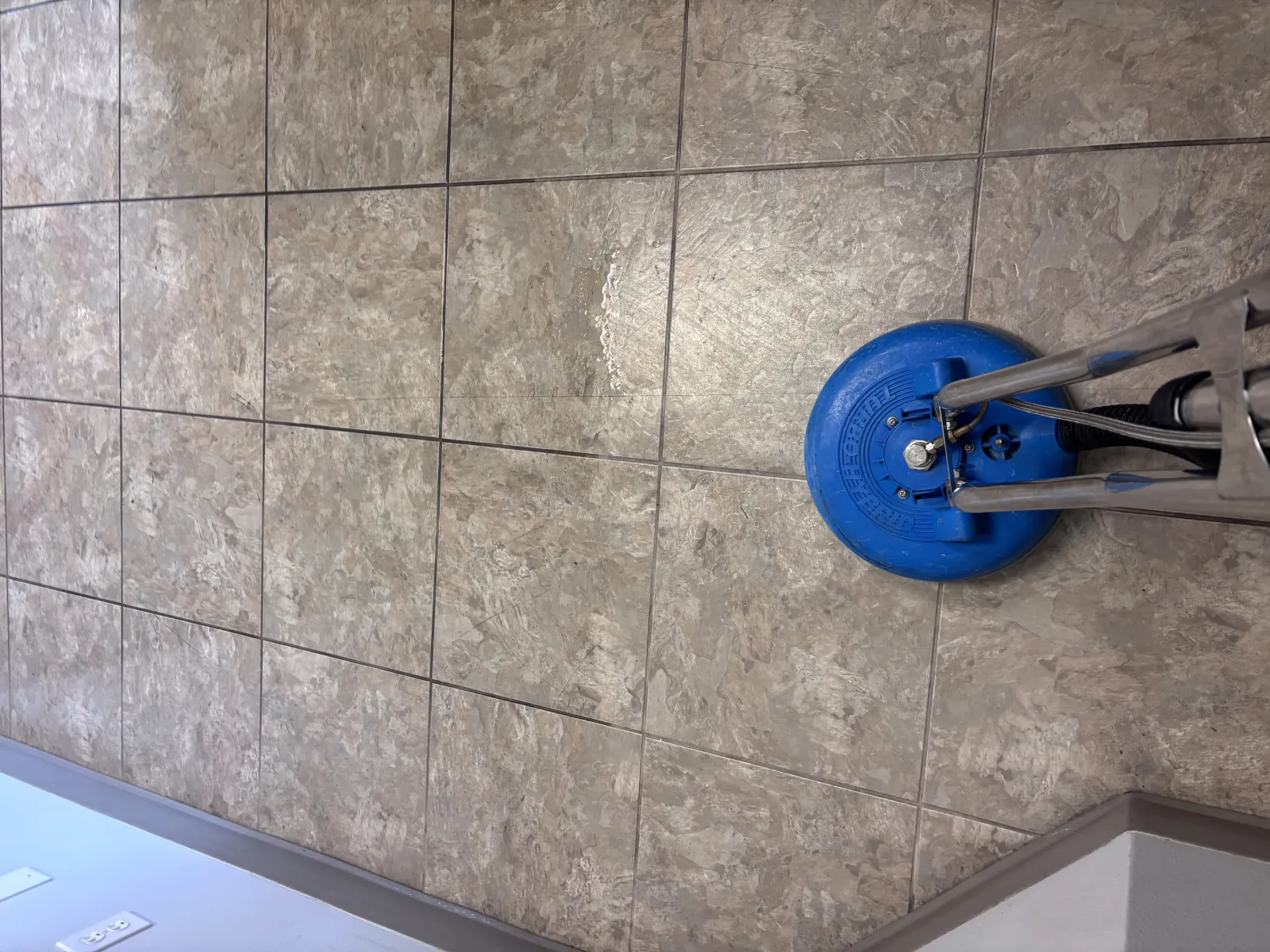
Rotary cleaning on stone tile
A controlled pass over stone tile before polishing or sealing recommendations.
Honest restoration for the natural stone floors in most St. George new builds.
Travertine Cleaning and Polishing is one of our most requested stone services in St. George because so many newer homes were built with it. Travertine has natural pits and holes that hold dust, red dirt, and grit, which is why mopping alone never gets it back to looking right. We pull the soil out of the surface, then decide with you whether the floor needs honing, polishing, sealing, or just a real cleaning. For the broader hard-surface category, see tile and grout care for travertine areas.
Trusted by the Local Businesses You Know
"I recently had 3:16 Carpet Cleaning come out to handle our carpets, upholstery, and some tile grout in our home here in St. George. Wow -- what a difference! Our carpets hadn't been professionally cleaned in years and looked brand new afterward -- seriously, like we just installed them. The team was super professional, on time, and explained everything they were doing. I really appreciated that they use eco-friendly, non-toxic products -- safe for our pets and kids, which was a big priority for us. No harsh chemical smells lingering, and everything dried reasonably fast. They even gave great tips on maintenance afterward."
"We have used 3:16 for all of our centers from St. George to Cedar, for carpet, rugs, and tile when we first move in, as well as ongoing maintenance. Our cute little learners can be hard on things so 3:16 keeps everything looking and smelling amazing. They respond so quickly, they are flexible and reasonably priced. Very much appreciate this company!"
"Best in the town. We had them clean our carpets and grout. Looks brand new with affordable rates. Highly recommend."
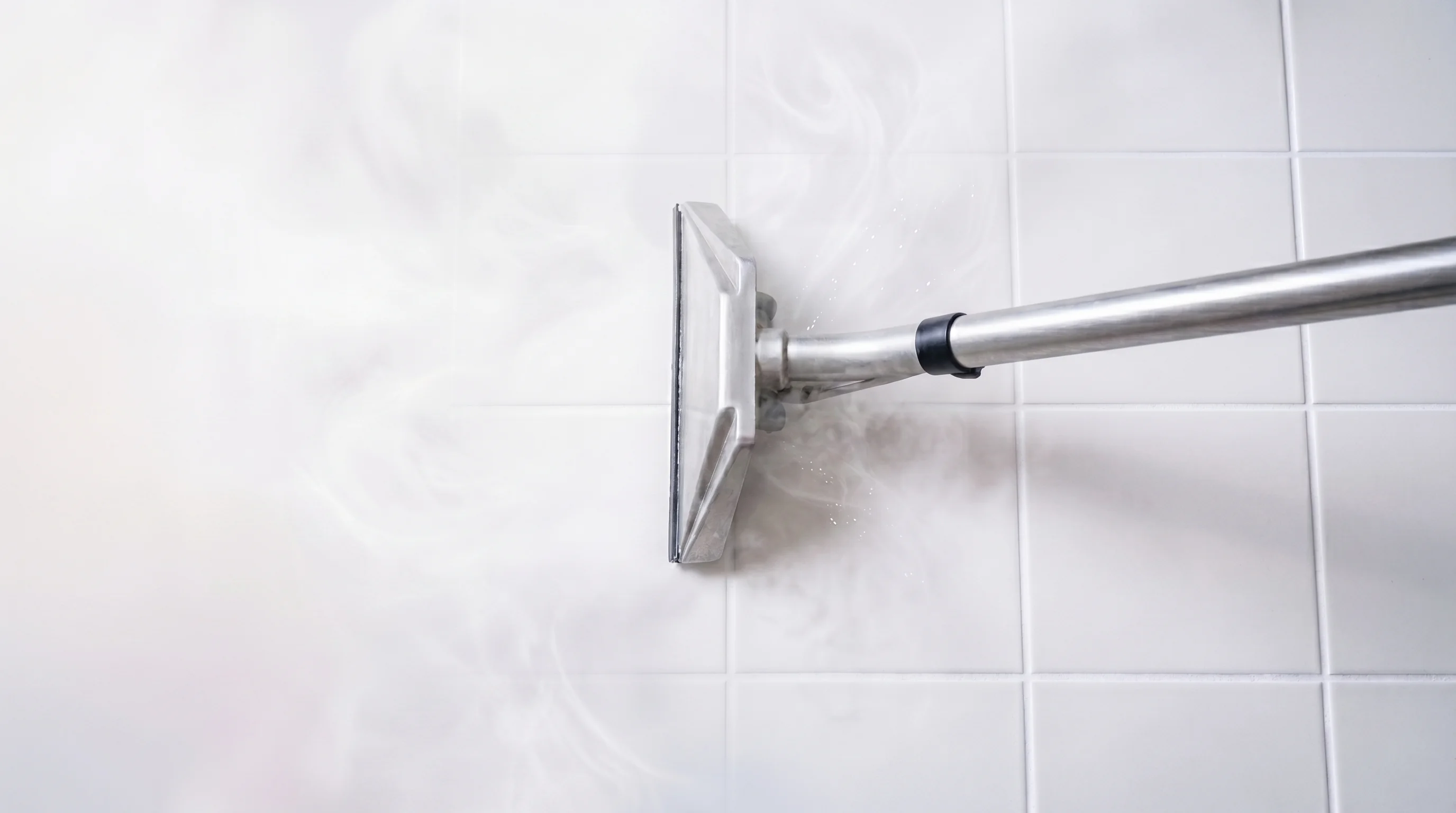
Real floor-care footage from stone and hard-surface cleaning jobs, shown separately from the hero so the page stays fast.
A controlled pass over stone tile before polishing or sealing recommendations.
The same hard-surface cleaning approach used before evaluating finish and sealer needs.
We look at whether the travertine is filled or unfilled, honed or polished, and how worn the walking paths are. The walk-through tells us if you need a full clean, a polish, fresh fill, or a new seal.
We use hot water, stone-safe solution, and a closed extraction tool that pulls red dirt out of the pits instead of pushing it deeper. Most floors look noticeably better after this step alone.
If the walking paths are dull, scratched, or etched, we run diamond pads to even out the surface. A honed finish stays matte, a polished finish brings back shine, and we match the rest of the floor.
Fresh travertine soaks up spills fast, so a penetrating sealer is the last step. The sealer goes into the stone, not on top, and gives the floor a fighting chance against red dirt and hard water.
Filled travertine has the pits packed with resin or grout from the factory. Some of that fill loosens with age, and we can replace it during the job if needed.
The lanes from the garage to the kitchen and from the front door to the living room wear faster than the rest. We focus extra attention there so the floor looks even after we leave.
Most St. George travertine is honed with a matte finish. We match what you have unless you tell us you want a different look, and we explain the upkeep on each.
Stay off the floor for a few hours after we seal it, and avoid wet shoes or rugs for a full day. The sealer needs that time to set into the stone properly.
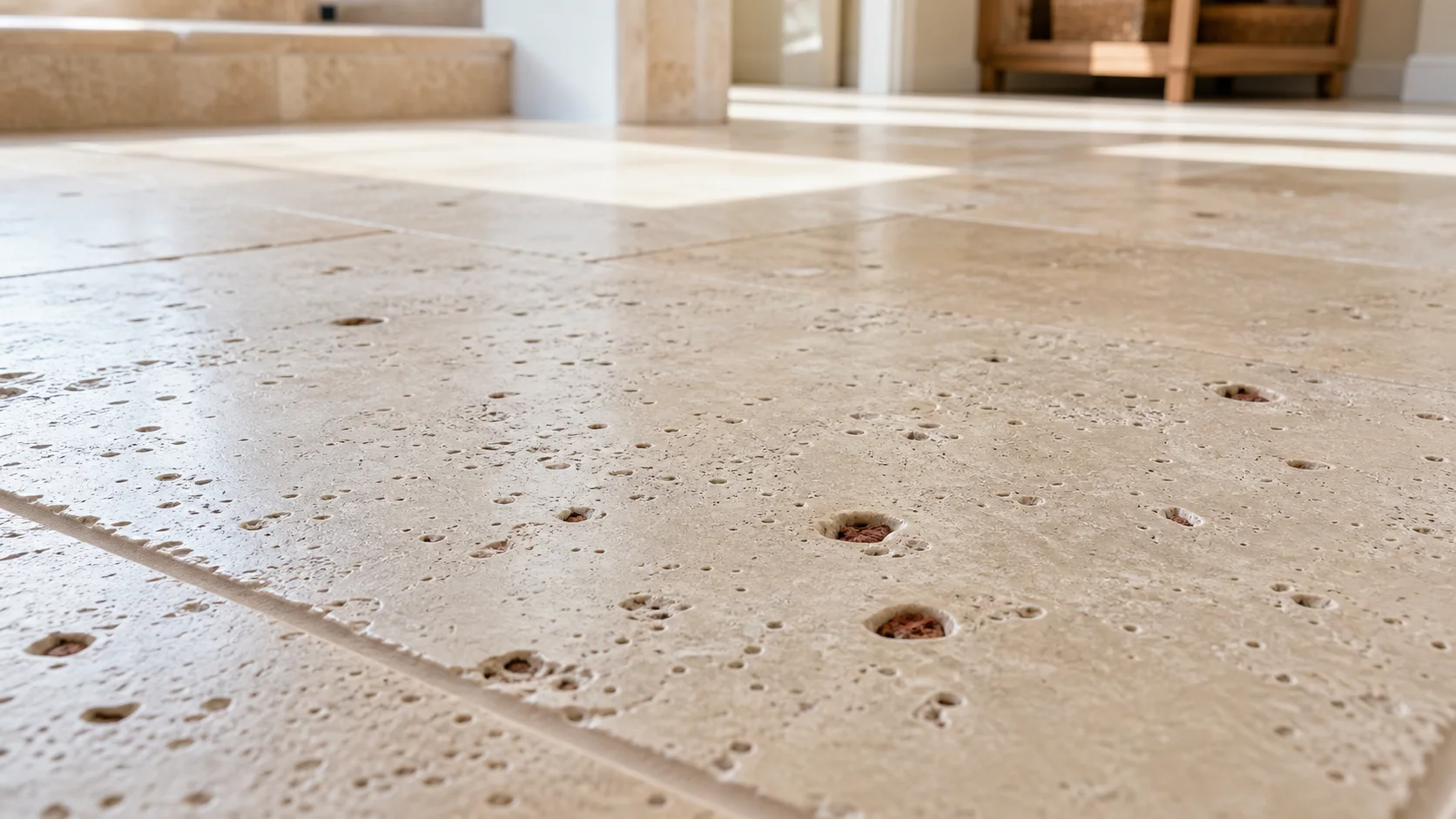
Most travertine in St. George and Washington was installed filled, meaning the natural pits and voids in the stone were packed with resin or cement at the factory before the tile shipped. Walk on a filled floor for ten or fifteen years and that fill works loose, especially in the lanes between the garage door and the kitchen.
Homeowners almost always read the open holes as damage. They are not. The stone is fine, the fill just popped out, and the pits then collect red dirt and pet hair until the floor looks blotchy.
We refill the missing spots with a color-matched resin during the job, then clean and seal so the new fill sits flush with the rest of the floor.
Travertine sits lower on the hardness scale than marble or granite, which means a polishing pad sequence built for harder stone will dig too deep and leave the surface looking cloudy or uneven. We start with a finer grit and use less pressure, then step up only if the floor needs it.
Most St. George travertine is also cross-cut, where the stone is sliced across the bedding plane. Cross-cut tile shows its pits and pocking at the surface, so traffic wear and lost fill read very obviously in the walking paths.
Honest read of the floor before we touch a pad is the whole game. Going too aggressive on a soft cross-cut tile makes the work harder to undo than the original problem.
A lot of St. George new construction from the last fifteen years used travertine in entryways, kitchens, and main living areas. The stone is full of natural pits, and red dirt from outside settles into those pits and stays there. That is the dingy look people complain about, and it is not something a mop will fix.
Most installs around here are honed travertine, not polished. Honed has a softer matte finish that hides minor wear, while polished shows every walking path. Knowing which finish you have changes what we do next, and we will tell you straight if your floor only needs cleaning instead of full polishing.
Filled travertine is the other wild card in this area. The factory fill in the holes can pop out over time, especially in heavy traffic spots near the front door. We can refill those holes during the job, but we will be honest about whether sealing first makes more sense than polishing right away.

If the floor is dull all over but the walking paths look the same as the rest, a deep clean and seal usually does the job. If the lanes between rooms look worn, scratched, or duller than the edges, that is when polishing or honing makes sense.
Honed has a matte, low-sheen finish and is what most St. George homes were built with. Polished has a glossy reflective finish that shows wear faster. Both are valid, and we match whatever finish your floor already has.
Travertine has natural pits that hold red dirt and dust no matter how much you mop. Closed extraction pulls that grit out of the holes instead of pushing it around. After cleaning, a fresh seal slows down how fast the pits load back up.
Yes. We can refill missing fill with a color-matched resin or grout during the job. Heavy traffic areas near front doors are where this comes up most often in St. George homes.
A full professional clean every 18 to 24 months works for most homes around here. Sealing should happen at the same visit, since red dirt and hard water are tough on travertine year round. High-traffic homes may need it sooner.
Serving St. George, Washington, Washington Fields, Santa Clara, Ivins, and Hurricane, UT
Same-day appointments often available. No pressure, no upsells.